What Are Gallbladder Stones?
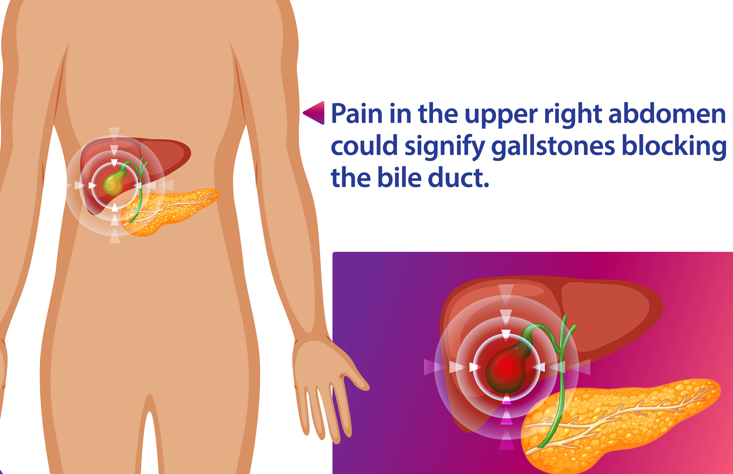
Gallbladder stones, also called gallstones, are small, hard pieces that form in the gallbladder. The gallbladder is a small organ under your liver. It stores bile, which helps your body digest fat. Sometimes, bile can form stones. These stones can block the flow of bile and cause pain. Gallbladder stones are common. According to the CDC, millions of people develop them each year. While some people do not feel any symptoms, others may need treatment for gallstones, including gallbladder stone surgery.
Common Symptoms of Gallbladder Stones
Many people with gallbladder stones do not notice any problems. However, when symptoms appear, they can be uncomfortable. For example, you may feel pain after eating fatty foods. Below are the most common gallbladder stone symptoms:
Sometimes, symptoms come and go. But if you have severe pain or fever, seek medical help right away.
Causes and Risk Factors
Gallbladder stones form when substances in bile, like cholesterol or bilirubin, become too concentrated. As a result, stones can develop over time. Several factors increase your risk:
Although anyone can get gallstones, these risk factors make them more likely.
Diagnosis of Gallbladder Stones
Doctors use several tests to find gallbladder stones. First, they may ask about your symptoms and health history. Next, they often use imaging tests, such as:
With these tests, doctors can see the stones and decide on the best treatment for gallstones.
Surgical Solutions for Gallbladder Stones
Many people need surgery to remove gallbladder stones, especially if they cause pain or infection. The most common surgery is called laparoscopic cholecystectomy. In this procedure, doctors remove the gallbladder through small cuts in the belly. This surgery is safe and usually takes about one hour. Most people go home the same day. In rare cases, open surgery may be needed. According to the National Institutes of Health, surgery is the best long-term solution for most patients with symptoms.
Recovery and Aftercare
After surgery, recovery is usually quick. Most people return to normal activities within a week. However, you should follow your doctor’s advice. Here are some tips for a smooth recovery:
If you notice any unusual symptoms, contact your doctor right away.
Prevention Tips
While you cannot always prevent gallbladder stones, you can lower your risk. For example, making healthy choices can help. Try these tips:
Because prevention is easier than treatment, start with small changes today.
In summary, gallbladder stones can cause pain and other symptoms. But with early diagnosis and the right treatment, most people recover well. Consult a surgical gastroenterologist Dr. Rafat Nizam for personalized advice on gallbladder stones.