
Introduction
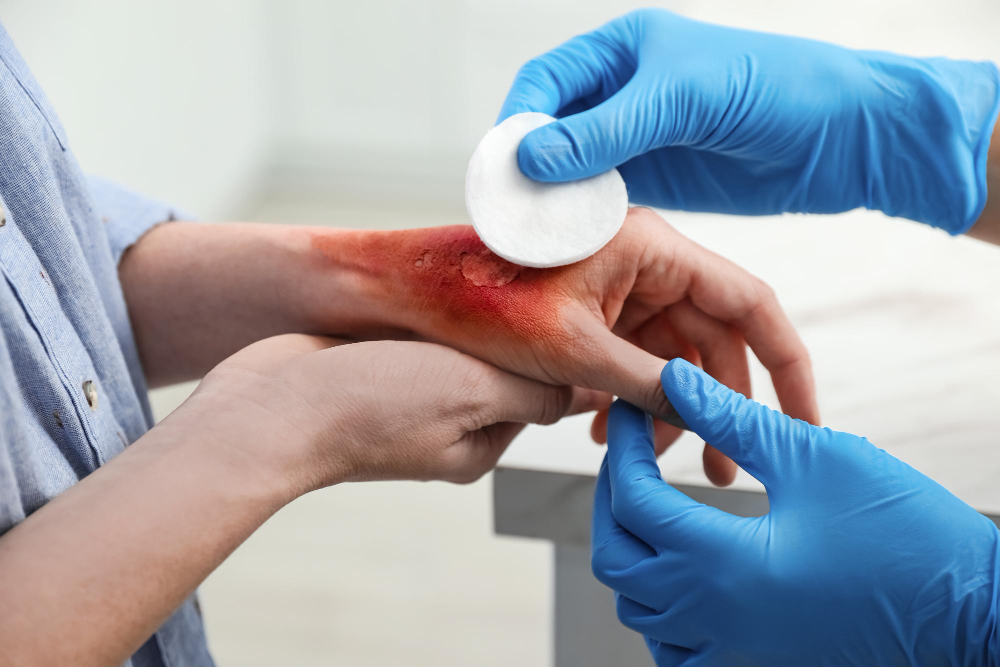
Burn care & reconstructive surgery are vital for healing and recovery after burn injuries. Dr. Sanjiv Bhatia, a skilled plastic surgeon, offers expert care for patients with burns. Many people do not know the best steps to take after a burn. However, with the right treatment and support, recovery is possible. In this blog, you will learn about burn care, treatment options, and how reconstructive surgery can help. You will also find tips for prevention and answers to common questions.
What is Burn Care?
Burn care means treating injuries caused by heat, chemicals, electricity, or radiation. There are different types of burns, and each needs special care. For example, some burns are mild, while others can be very serious. Doctors often group burns by how deep they go into the skin:
Because each burn is different, treatment must match the type and severity. According to the World Health Organization (WHO), burns are a major health problem worldwide.
Common Causes and Symptoms of Burns
Burns can happen in many ways. Knowing the causes helps you stay safe. Some common causes include:
Symptoms of burns can vary. However, you may notice:
If you see these signs, it is important to act quickly. Early care can help prevent complications.
Immediate First Aid and Emergency Steps
Quick action can make a big difference after a burn. Here are some first aid steps you should follow:
For serious burns, call emergency services right away. Quick medical care can save lives and improve healing.
Overview of Reconstructive Surgery for Burns
Sometimes, burns cause scars or limit movement. In these cases, reconstructive surgery after burns can help. This type of surgery aims to restore function and improve appearance. For example, doctors may use skin grafts, where healthy skin is moved to cover a burn wound. Other times, they may use special flaps of tissue or advanced techniques. Because each patient is unique, the treatment plan is tailored to their needs. According to the American Burn Association, reconstructive surgery can greatly improve quality of life for burn survivors.
Role of Plastic Surgery in Burn Recovery
Plastic surgery for burns is not just about looks. It also helps restore movement and comfort. After a burn, scars can tighten the skin and make it hard to move. However, plastic surgeons use special methods to release tight scars and improve function. They may also help reduce pain and itching. In many cases, surgery is done in stages, with careful planning for the best results. Because recovery takes time, ongoing care and support are important.
How Dr. Sanjiv Bhatia Approaches Burn Care & Reconstructive Surgery
Dr. Sanjiv Bhatia, Plastic Surgeon, uses a patient-centered approach to burn care & reconstructive surgery. First, he assesses the type and depth of the burn. Then, he creates a personalized treatment plan. This may include wound care, pain management, and surgery if needed. Dr. Bhatia believes in clear communication, so he explains each step to his patients. He also works with a team to support healing and recovery. If you need burn care in your area, you can consult Dr. Sanjiv Bhatia for expert advice and treatment options.
Prevention Tips and Lifestyle Guidance
While not all burns can be avoided, many are preventable. Here are some tips to help you stay safe:
Additionally, make your home safer by checking for hazards. Simple steps can lower your risk of burns.
Frequently Asked Questions
Conclusion
Burn care & reconstructive surgery are important for healing and recovery. With expert help from Dr. Sanjiv Bhatia, Plastic Surgeon, you can get the right treatment and support. If you or a loved one needs advice, do not wait. Consult Dr. Sanjiv Bhatia, Plastic Surgeon, for personalized burn care and reconstructive surgery guidance.