
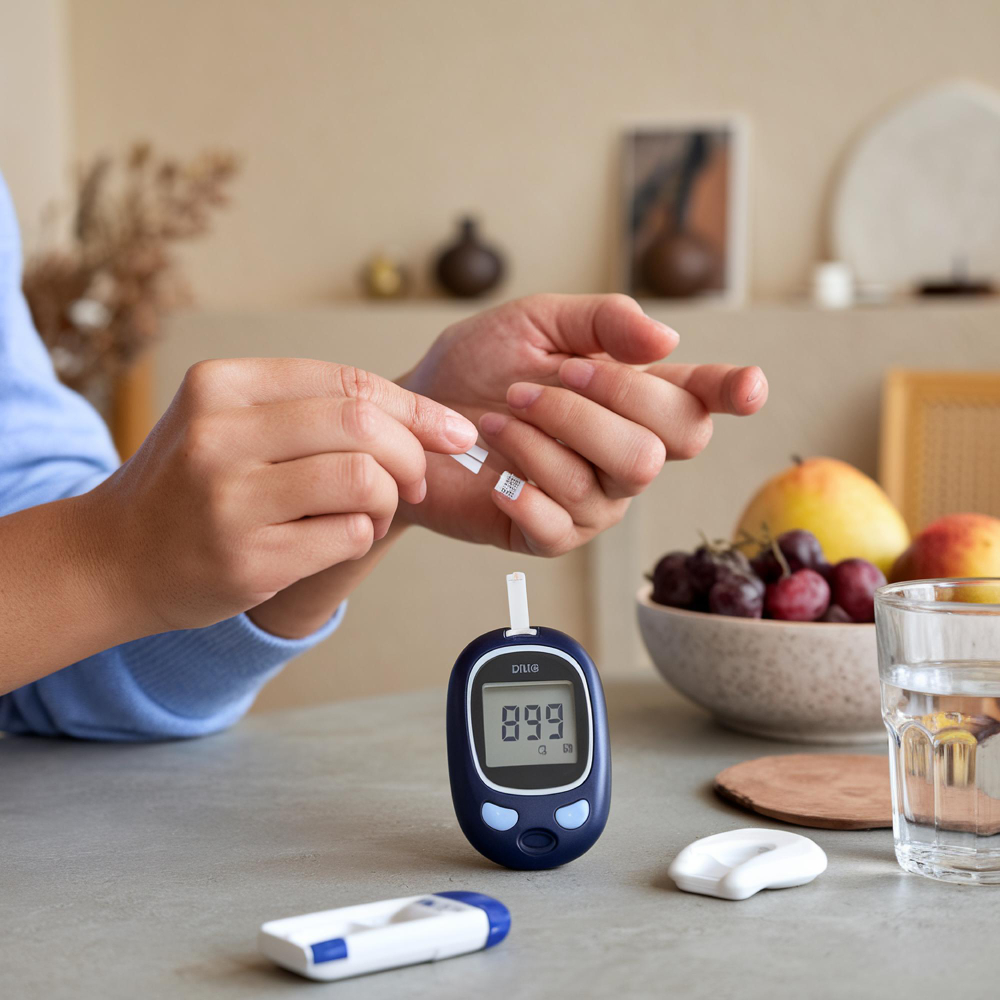
What is Diabetes?
Diabetes is a long-term health condition. It affects how your body turns food into energy. Normally, your body uses a hormone called insulin to help move sugar from your blood into your cells. However, with diabetes, your body either does not make enough insulin or cannot use it well. As a result, sugar builds up in your blood. There are two main types: type 1 and type 2. Type 2 is more common in adults. But, both types can cause serious health problems if not managed early.
Why Early Detection Matters
Early detection of diabetes is very important. When you spot the early signs of diabetes, you can take steps to control your blood sugar. This can help prevent serious problems, such as heart disease, kidney damage, or vision loss. In fact, the Centers for Disease Control and Prevention (CDC) says that early treatment can lower your risk of complications. Therefore, knowing the warning signs of diabetes can help you stay healthy longer.
Common Early Signs of Diabetes
Many people do not notice the early symptoms of diabetes. However, there are some signs you can watch for. If you notice any of these, it may be time to talk to your doctor:
Sometimes, these early symptoms of diabetes are mild. But, they can get worse over time. For example, you may notice you need to drink more water or visit the bathroom more often. Or, you may feel tired even after a good night’s sleep. These are all possible warning signs of diabetes.
When to See a Doctor
If you notice any early signs of diabetes, you should see a healthcare professional soon. Early testing can help find out if you have diabetes or are at risk. In addition, if you have risk factors like being overweight, having a family history of diabetes, or being over age 45, you should get checked even if you feel fine. Sometimes, diabetes can develop slowly and show few symptoms at first. Therefore, regular check-ups are important.
Tips for Monitoring Your Health
It is important to keep track of your health, especially if you have diabetes risk factors. Here are some simple tips:
By staying alert, you can spot diabetes early and get the help you need.
Prevention and Lifestyle Guidance
While you cannot always prevent diabetes, you can lower your risk. For example, eating healthy foods and staying active can help. Here are some steps you can take:
Even small changes can make a big difference. If you have questions about how to spot diabetes early or want to know more about diabetes risk factors, talk to your doctor.
Consult Dr. Rafat Nizam for expert evaluation and personalised guidance on diabetes. Take control of your blood sugar today and reduce the risk of long-term complications.