Introduction
Hypertension, also known as high blood pressure, is a common health problem worldwide. Many people do not know they have it because it often has no clear signs. However, early detection is important. If left untreated, hypertension can lead to serious health issues. In this blog, you will learn about hypertension symptoms, causes, diagnosis, treatment, and how to prevent hypertension.
What is Hypertension?
Hypertension means your blood pressure is higher than normal. Blood pressure is the force of blood pushing against your artery walls. When this pressure stays high for a long time, it can damage your heart and blood vessels. According to the World Health Organization (WHO), normal blood pressure is below 120/80 mmHg. If your readings are often above 140/90 mmHg, you may have hypertension.
Common Symptoms
Most people with hypertension do not notice any symptoms. Still, some may experience warning signs. For example, you might feel:
However, these symptoms can also be caused by other problems. Therefore, regular blood pressure checks are important.
Main Causes
There are many high blood pressure causes. Sometimes, the exact reason is not clear. Yet, several factors can raise your risk:
In some cases, another health problem may cause high blood pressure. This is called secondary hypertension.
Diagnosis Methods
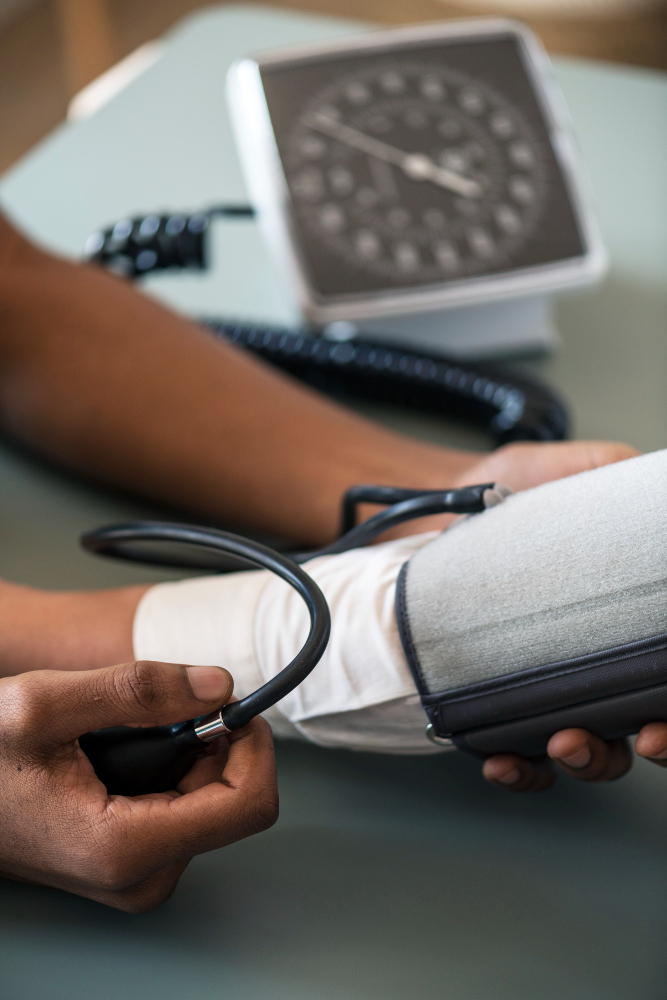
Doctors use simple tools to check for hypertension. Usually, they measure your blood pressure with a cuff around your arm. For accurate results, they may check your blood pressure on different days. Sometimes, you might need to wear a monitor at home. In addition, your doctor may order blood tests, urine tests, or an electrocardiogram (ECG) to look for other health issues.
Treatment Options
Treatment for hypertension depends on how high your blood pressure is and your overall health. Often, doctors suggest lifestyle changes first. If these are not enough, you may need medicine. Common treatments include:
Your doctor will choose the best plan for you. Always take your medicine as directed.
Lifestyle and Home Remedies
Besides medical treatment, you can manage hypertension at home. For example, you can:
In hot or humid areas, drink enough water and avoid too much sun. These steps can help control your blood pressure.
Prevention Tips
You can lower your risk of hypertension by making healthy choices. Here are some tips on how to prevent hypertension:
In some regions, local diets may be high in salt. Therefore, try to cook with less salt and use herbs for flavor.
Conclusion
Hypertension is a silent but serious health problem. Although it often has no symptoms, it can lead to heart disease, stroke, and kidney problems. However, you can manage and prevent hypertension with healthy habits and regular check-ups. Consult Dr. Rafat Nizam for expert evaluation and personalised management of hypertension. Take proactive steps today to control your blood pressure and protect your heart health.